Flight Athens - Beijing
Our adventure begins at noon from Athens, with Air China's flight CA864 to Beijing, departing at 14:15 and arriving at 05:05 the next morning, ready to explore one of Asia’s most exciting destinations!

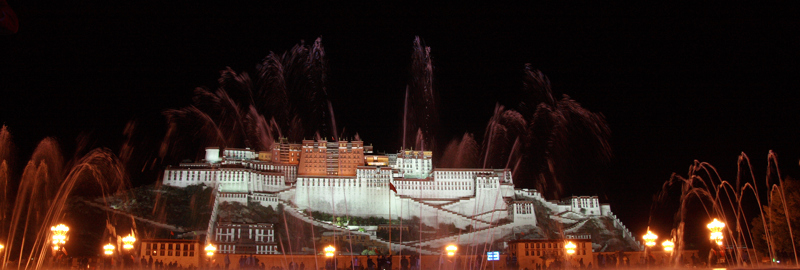

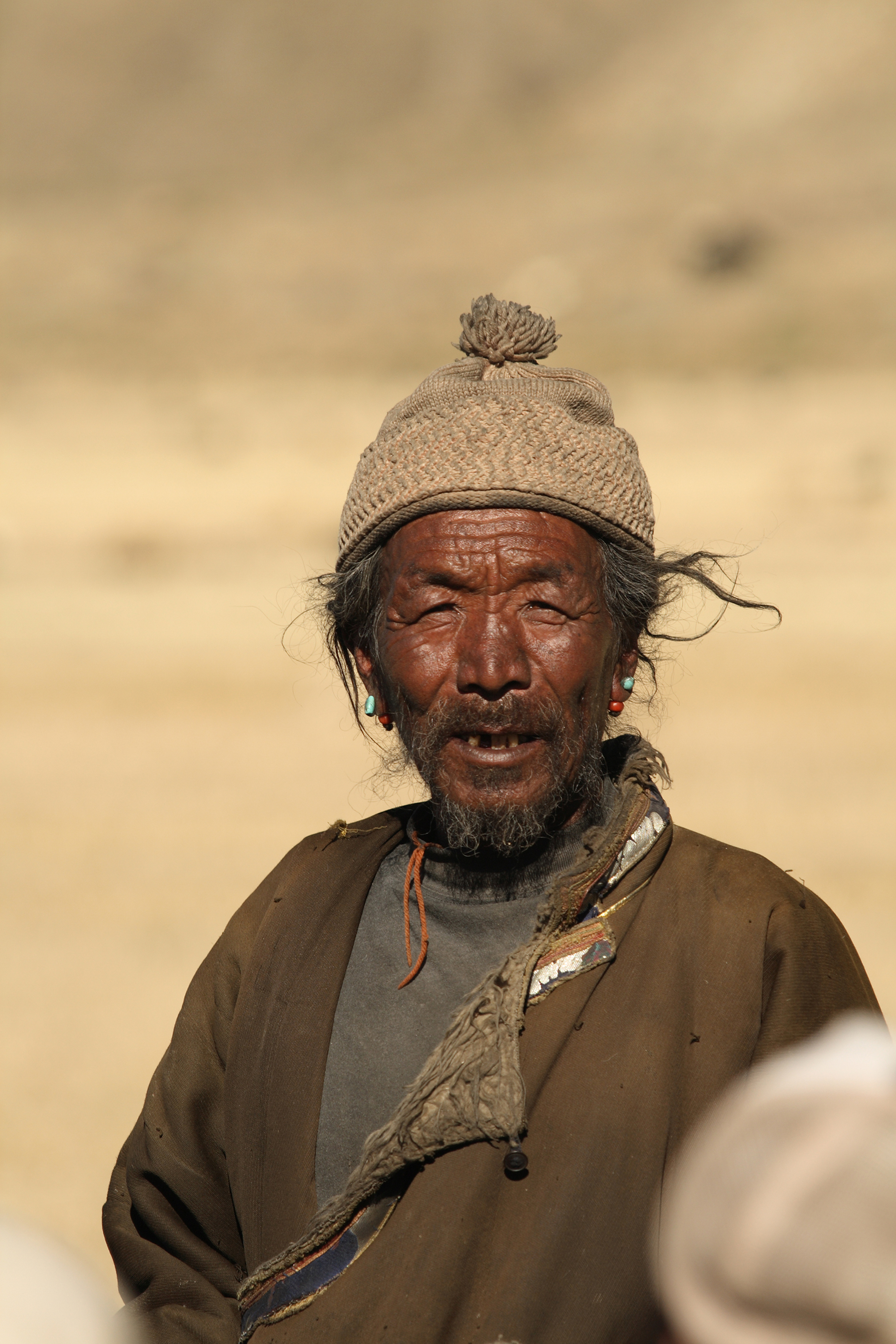
Known as the “Roof of the World,” Tibet is one of the most fascinating and remote destinations on earth. Set on a vast plateau north of the Himalayas, at an average altitude of nearly 4,500 metres, it combines spectacular mountain scenery with a deeply rooted cultural and spiritual heritage.
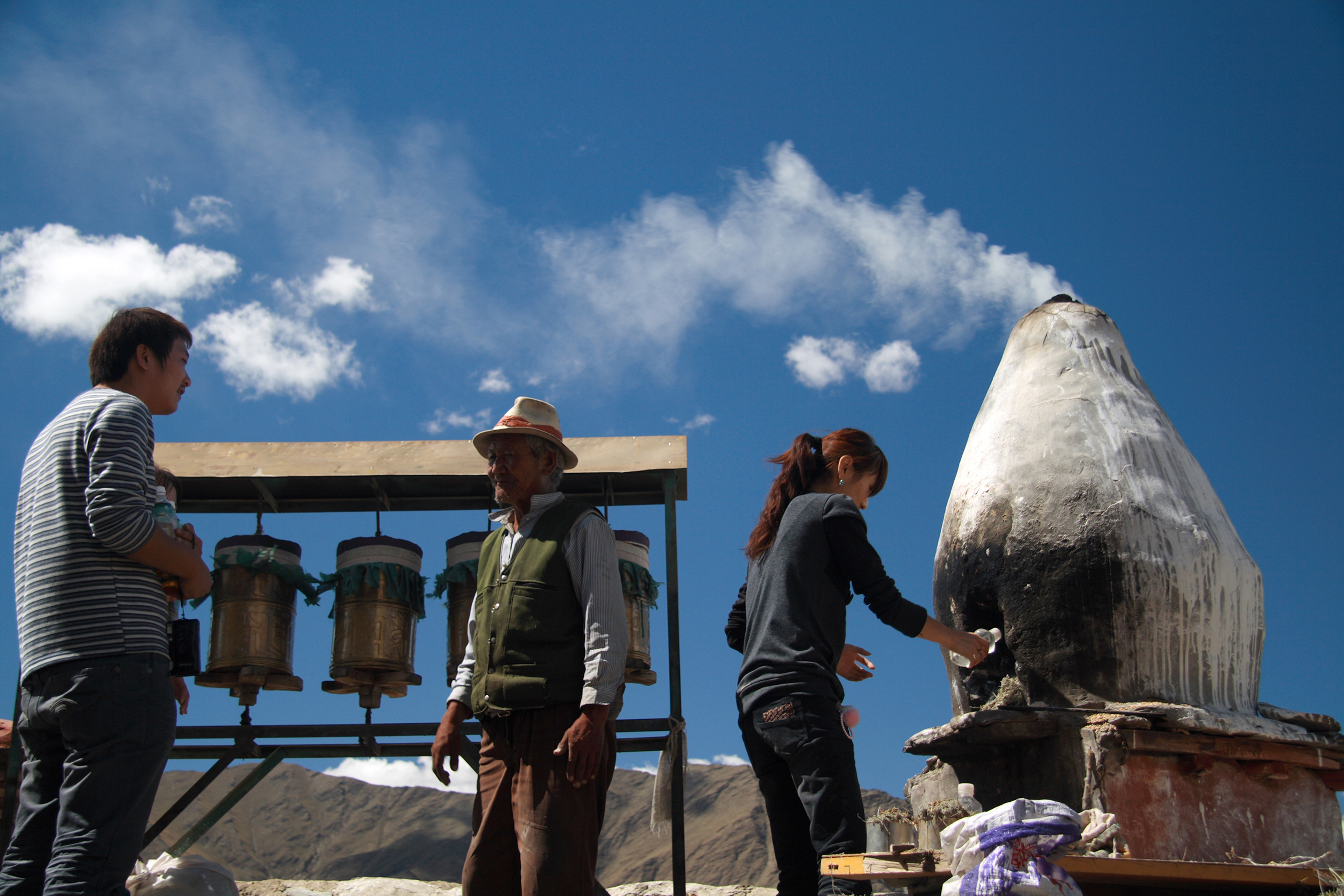
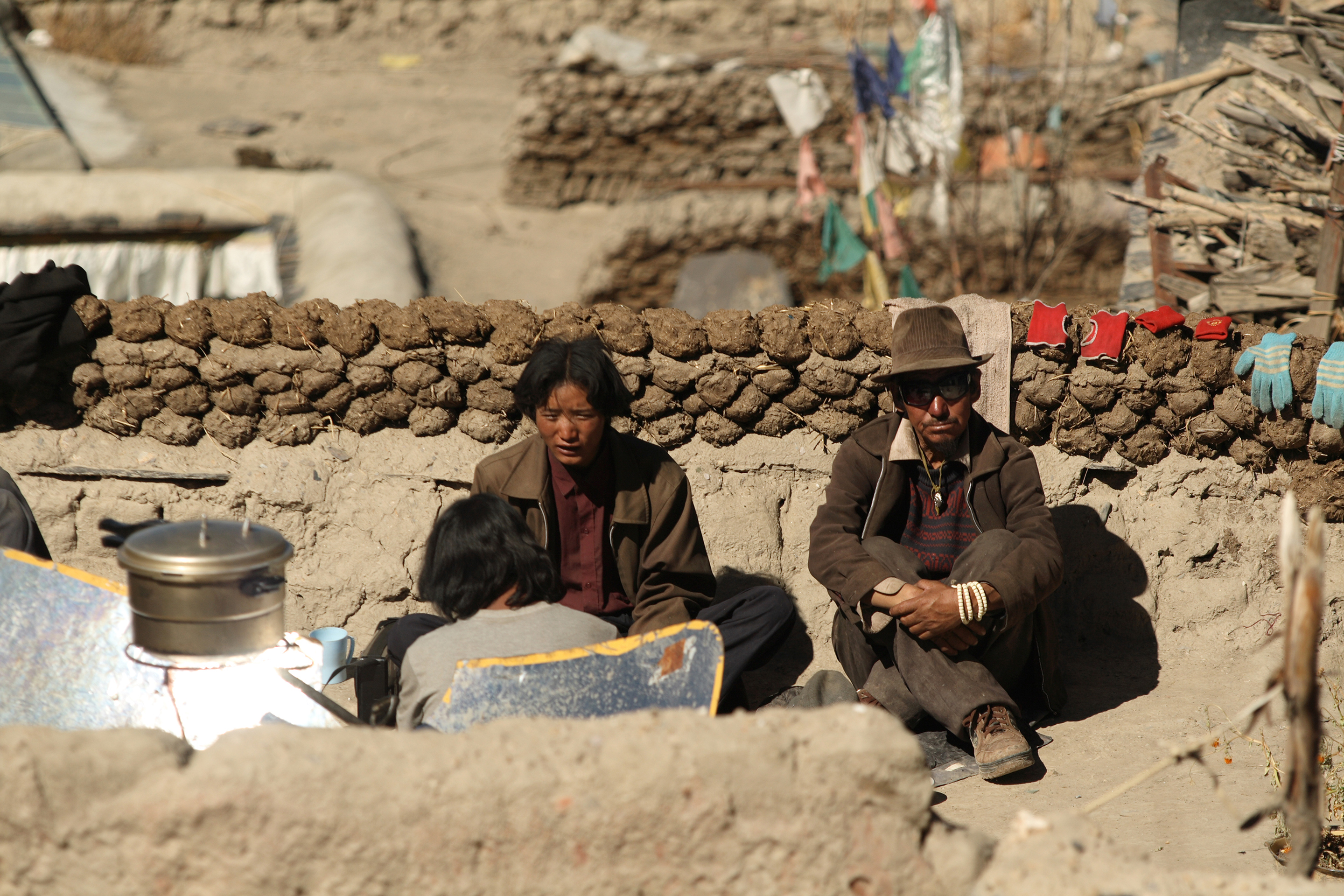
For centuries, Tibet’s geographical isolation helped preserve a unique identity, closely tied to Tibetan Buddhism. Ancient monasteries, sacred lakes, remote settlements and pilgrimage routes offer an insight into the region’s history and culture, as well as everyday life on the Tibetan Plateau.
Our journey takes us to three of Tibet’s most significant landmarks: the Potala Palace, Everest Base Camp and Mount Kailash, Tibet’s sacred mountain.
Combining nature, culture and trekking, this journey offers a comprehensive experience of Tibet, taking us deep into the plateau and revealing the many different sides of this extraordinary region.
Highlights
Our adventure begins at noon from Athens, with Air China's flight CA864 to Beijing, departing at 14:15 and arriving at 05:05 the next morning, ready to explore one of Asia’s most exciting destinations!
Our journey continues with a flight to Chengdu with Air China, where we will collect the necessary permits for entry into Tibet. Our flight departs at 07:00 and arrives at 09:55. From there, we board a connecting flight to Lhasa (departure at 12:45), arriving at 15:00 in the heart of Tibet, on the banks of the majestic Brahmaputra River.
Upon arrival, we transfer by road to Lhasa (59 km, approximately 1.5 hours). The remainder of the day is left free for relaxation and acclimatization. Situated at an altitude of 3,650 metres, Lhasa’s high elevation may cause mild symptoms such as light headaches or fatigue during the first hours. For this reason, the afternoon is intentionally kept at leisure, allowing your body to gradually adjust to the unique environment of the Tibetan Plateau.
Overnight at La Garry Snow Dragon Manor Resort 4*.
Today is dedicated to getting to know the most important monuments of Lhasa.
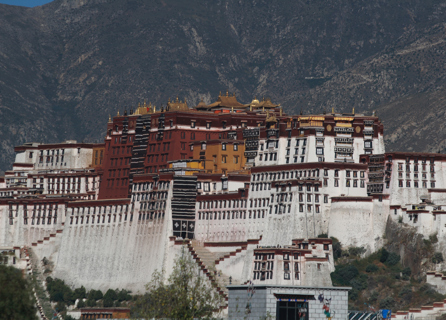
We begin with a visit to the magnificent Potala Palace, the enduring symbol of Tibetan heritage and culture. As we ascend the 365 steps to the magnificent Potala Palace, we will explore the White and Red Palaces, from which the Dalai Lama once exercised the religious and political administration of Tibet.
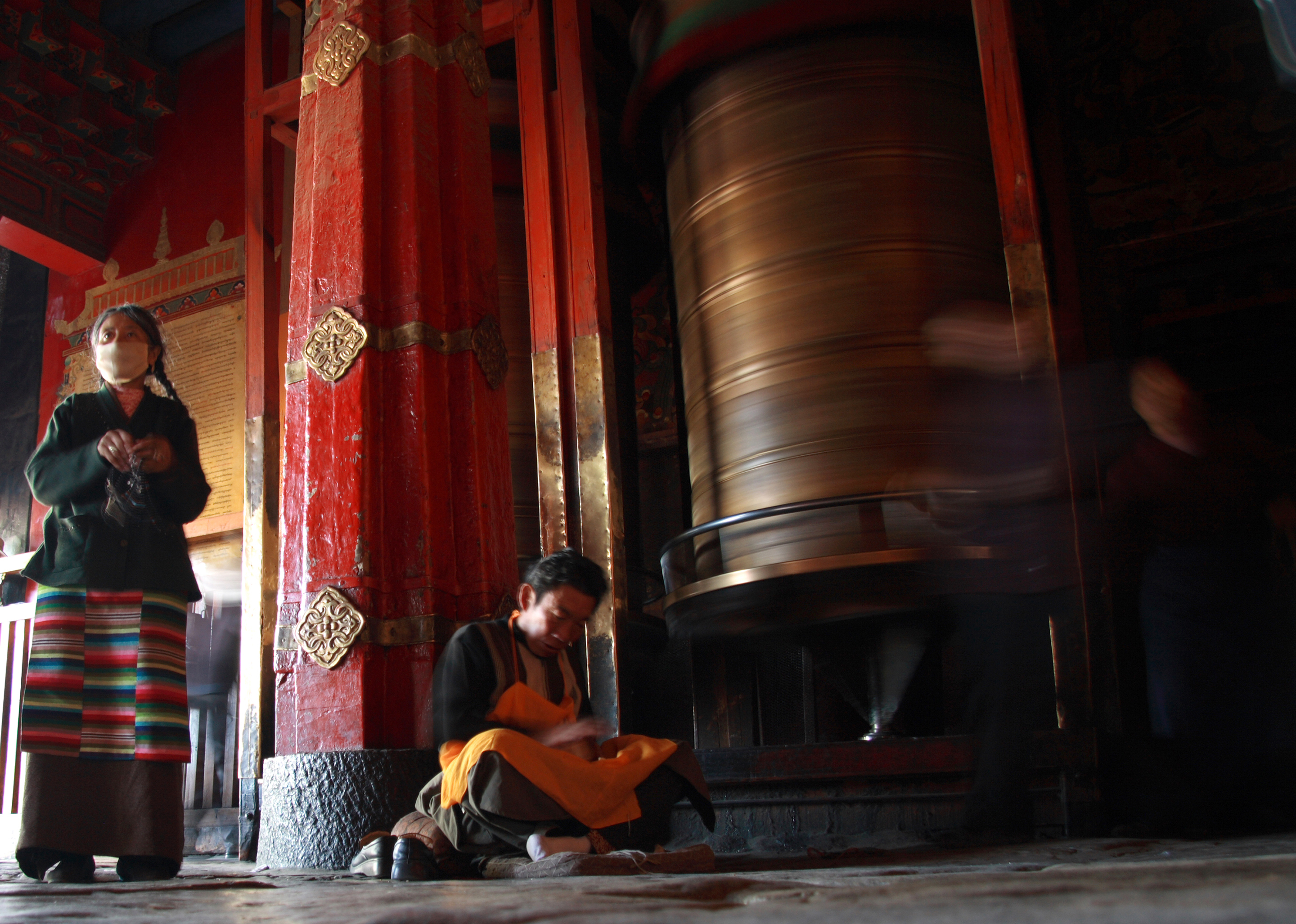
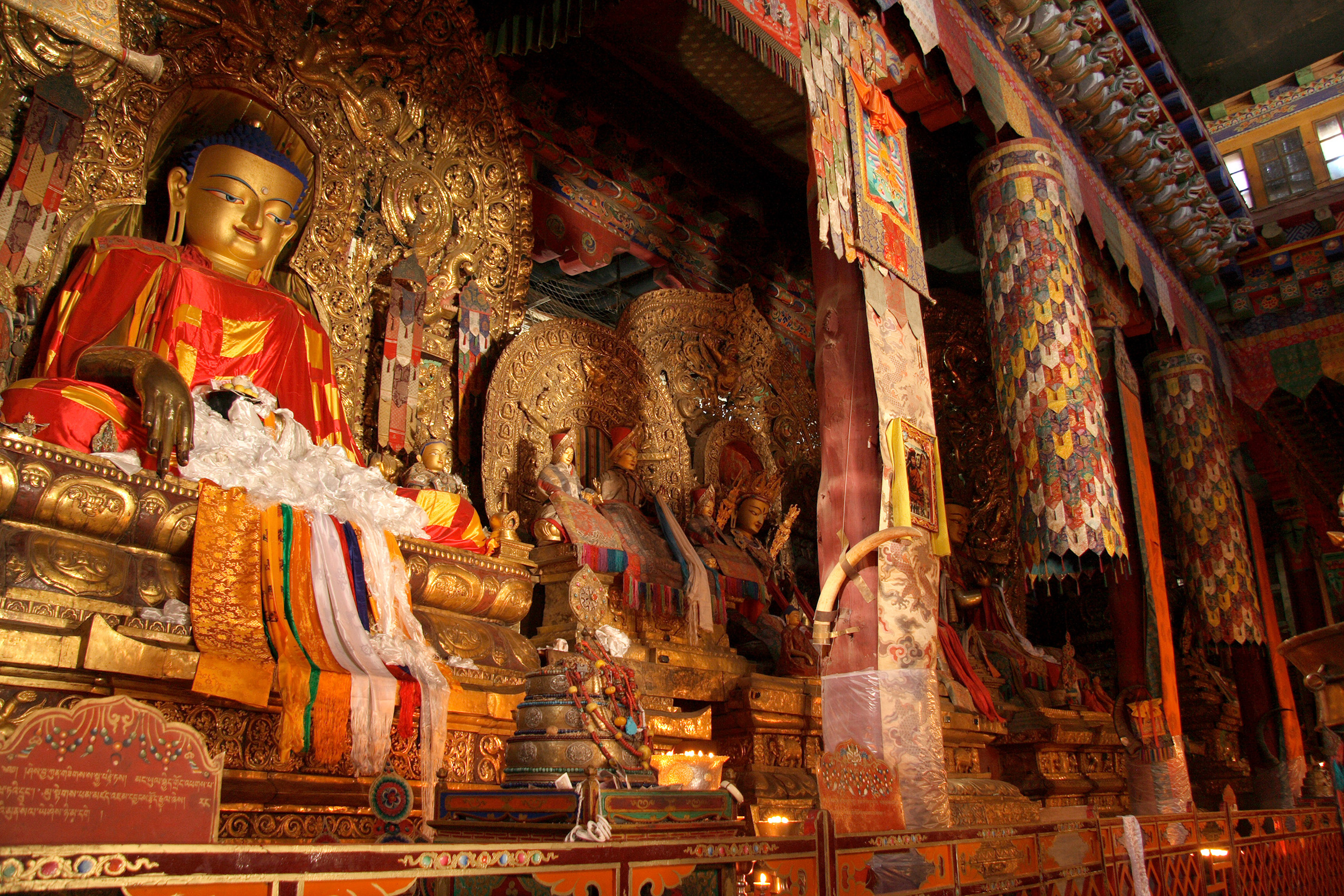
Our journey continues to the revered Jokhang Temple, the most sacred temple and spiritual centre of Tibet. Here, pilgrims from across the Tibetan Plateau gather in devotion, creating an atmosphere of profound spirituality and cultural significance.
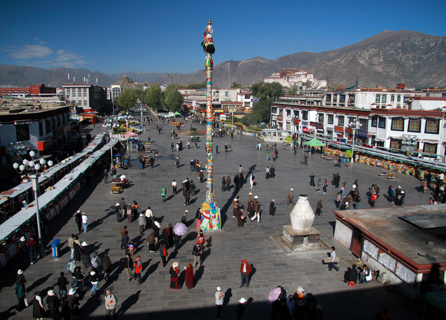
The day concludes with a stroll along Barkhor Street, the historic circuit surrounding Jokhang Temple and the traditional route of the sacred pilgrimage walk, or kora. This vibrant area offers a fascinating glimpse into everyday Tibetan life.
Overnight at La Garry Snow Dragon Manor Resort 4*.
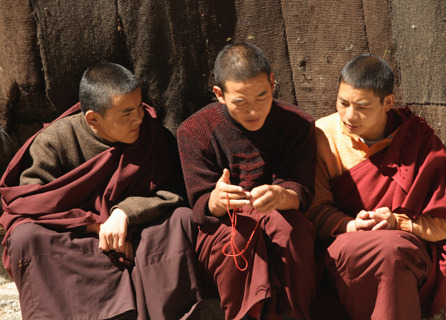
Today is dedicated to discovering Tibet’s rich monastic tradition, with visits to two of the most important monasteries on the outskirts of Lhasa.
We begin at Drepung Monastery, once one of the largest and most powerful monasteries in the world. Founded in 1416, over the centuries it developed into an impressive monastic city, home to more than 10,000 monks and serving as Tibet’s academic and political centre.
Next, a special two-hour hands-on experience awaits us, offering the opportunity to discover two traditional Tibetan arts: Tibetan incense making and traditional woodblock printing.
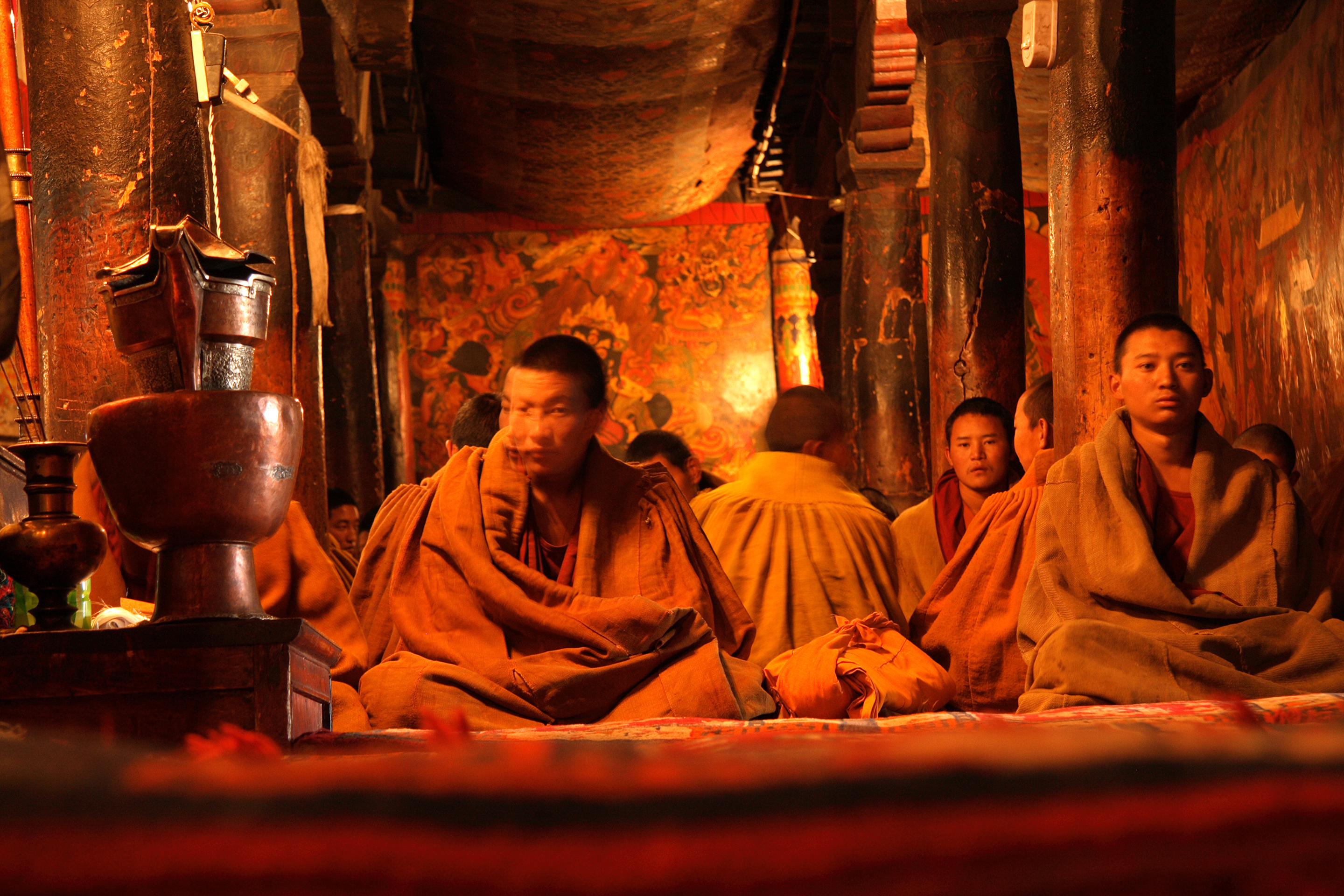
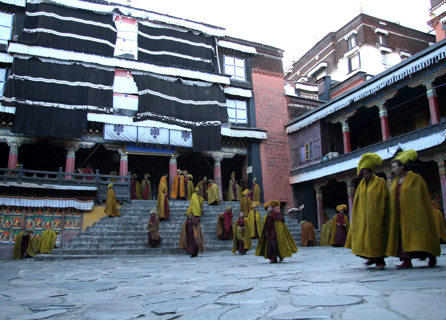
We continue to Sera Monastery, one of Tibet’s three great monastic universities. A highlight of our visit is the famous afternoon monks’ debates, a fascinating and distinctive part of Tibetan monastic tradition. Depending on the monastery’s schedule, we may also have the opportunity to witness a live prayer ceremony.
Overnight at La Garry Snow Dragon Manor Resort 4*.
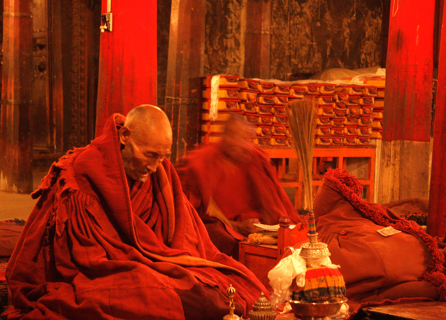
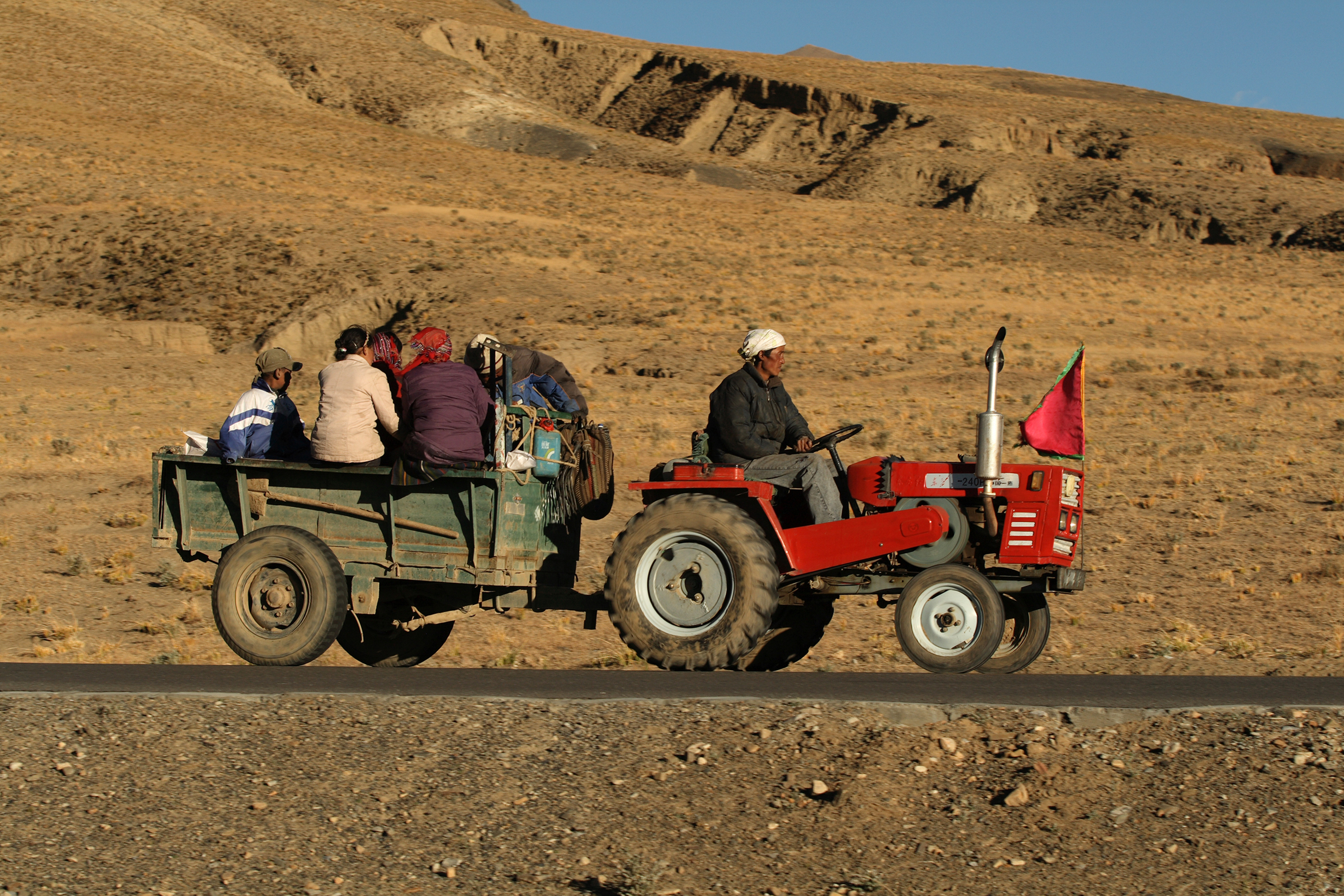
We begin our great overland journey into the heart of Tibet, travelling through breathtaking mountain landscapes. Our first stop is the enchanting Yamdrok Lake, set at an altitude of 4,440 metres and one of Tibet’s three largest lakes. Along its shores, we may have the opportunity to encounter Tibetan nomads with their herds, imposing Tibetan Mastiffs, and the region’s distinctive, colourfully adorned yaks.
We continue with a short hike at an altitude of approximately 5,000 metres, making our way towards the spectacular Karo La Glacier. The route rewards us with remarkable views of Tibet’s high-altitude scenery, while also helping our bodies gradually acclimatise to the elevation.
Upon arrival in Gyantse, we visit the historic Pelkor Monastery, whose history stretches back more than 600 years. One of its most distinctive features is its long tradition of religious tolerance, as monks from three different schools of Tibetan Buddhism, Sakya, Kalu and Gelung, once coexisted within the monastery complex.
Overnight at Jiangzi Nyangchu Manor House Hotel 4*.
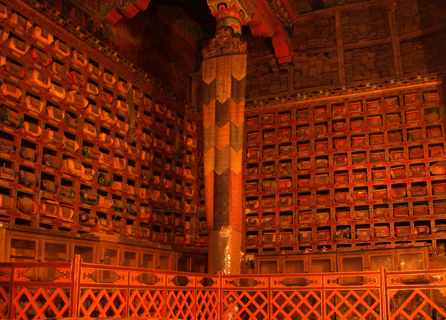
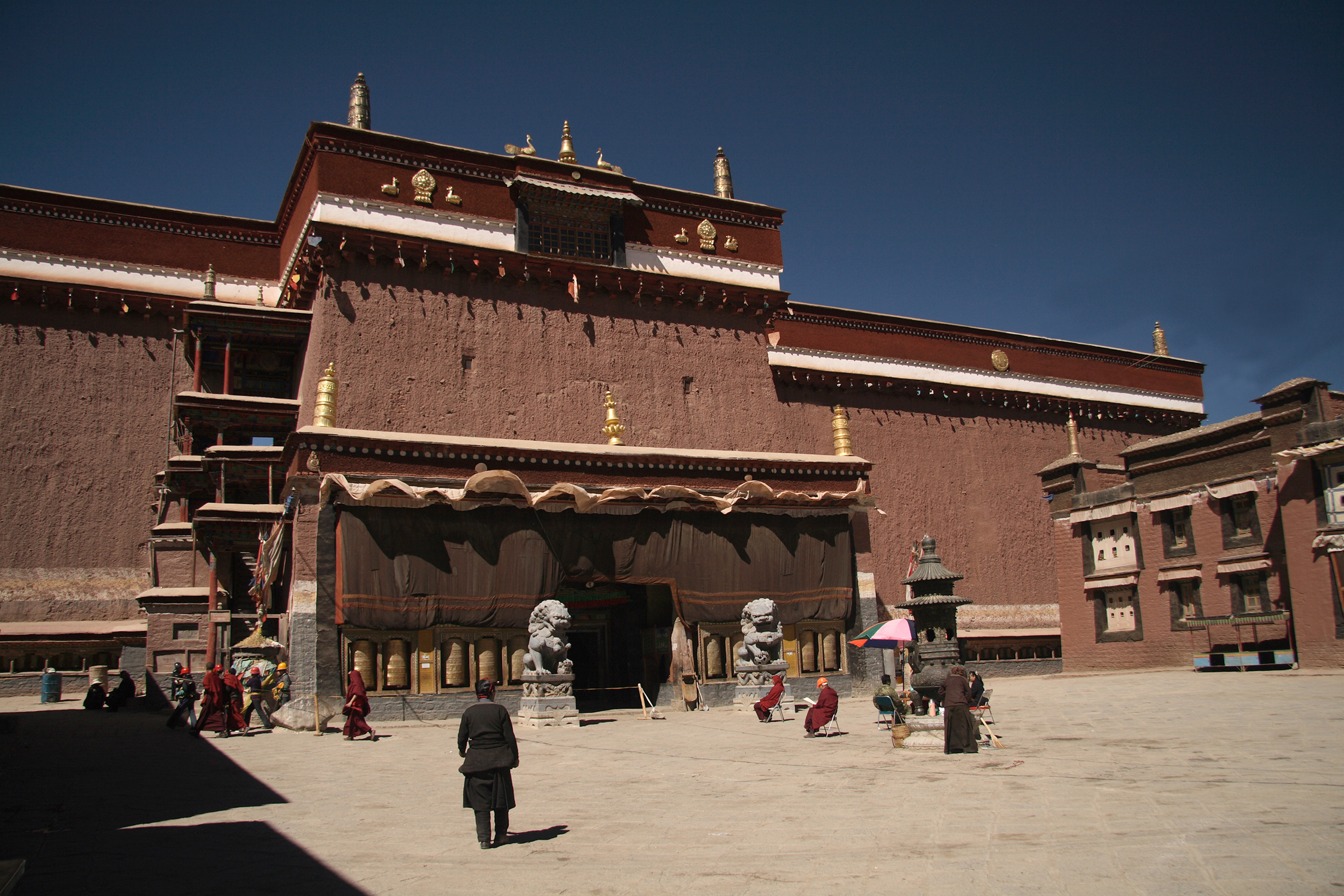
We set off for the remote Sakya Monastery, one of the most distinctive stops on our journey through Tibet. Home to the Sakya sect of Tibetan Buddhism, the monastery stands out for its medieval, fortress-like architecture and the remarkable cultural treasures within, earning it the nickname “The Vatican of Tibet.”
One of the monastery’s most fascinating stories came to light in 2003, when a hidden library was discovered behind one of its walls, containing thousands of Buddhist texts as well as rare works on astronomy, medicine, mathematics and literature. Among its treasures is an extraordinary sacred book weighing more than 500 kilograms.
Overnight at Sakya Nyetsang Hotel 5*.
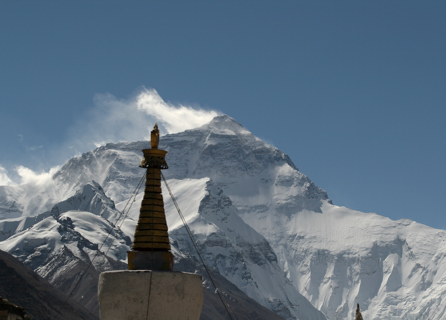
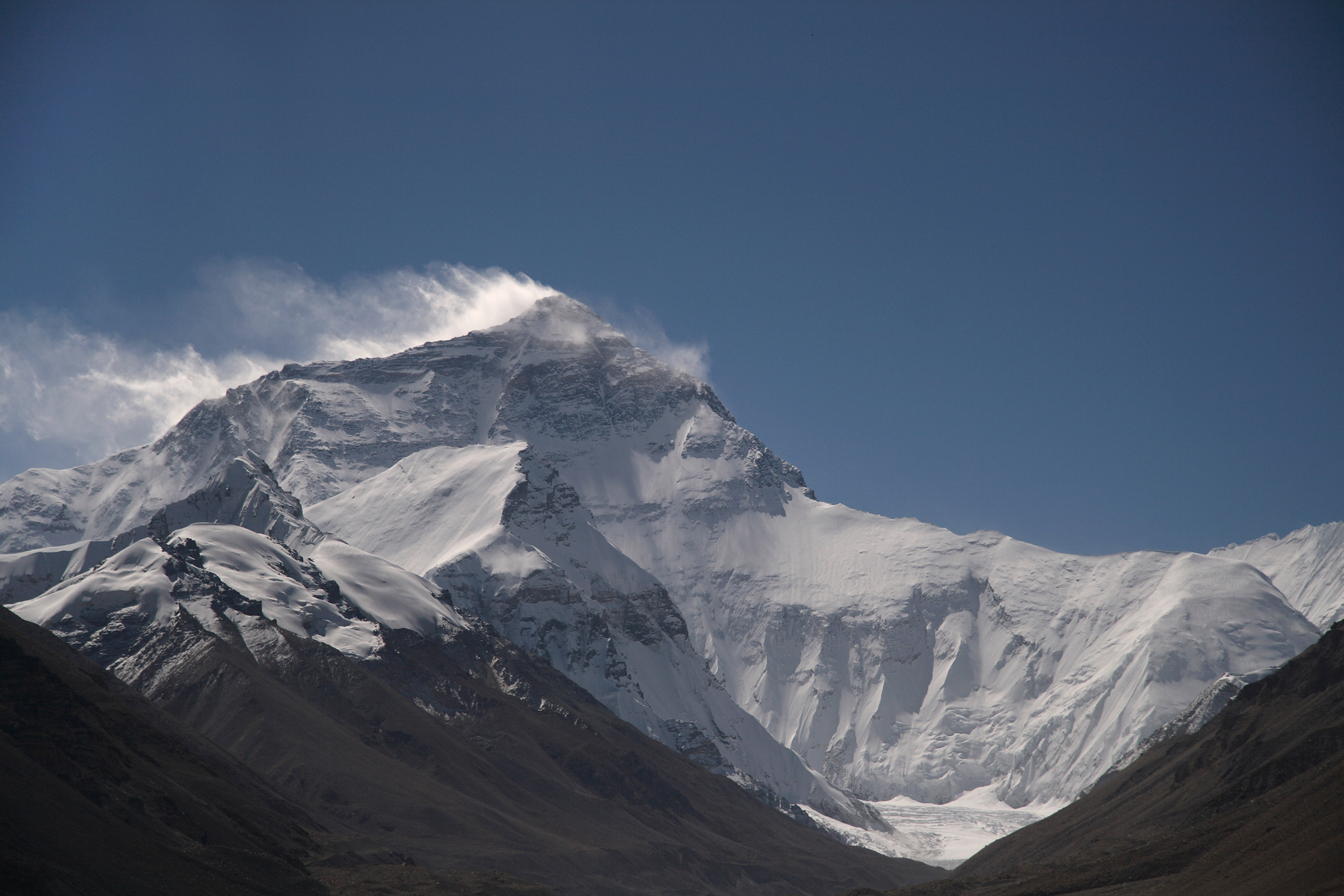
We depart in the morning for the North Everest Base Camp, following a spectacular mountain road through the Tibetan landscape. Shortly before reaching the Base Camp, we stop at Rongbuk Monastery, the highest monastery in the world, with remarkable views of the north face of Mount Everest.
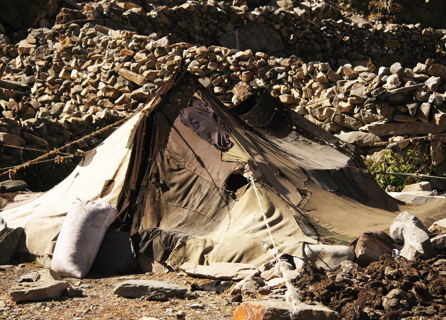
We spend the night just beyond the monastery at the Everest Tent Camp, a simple guesthouse made up of traditional nomadic tents crafted from yak wool and run by local families.
Facilities here are basic, as expected given the remote location and high altitude. Accommodation is in shared dormitories, with clean bedding and electric blankets provided for the night. Portable oxygen concentrators are also available for rent if needed, while the camp has a restaurant where we can enjoy a warm evening meal and traditional Tibetan tea.
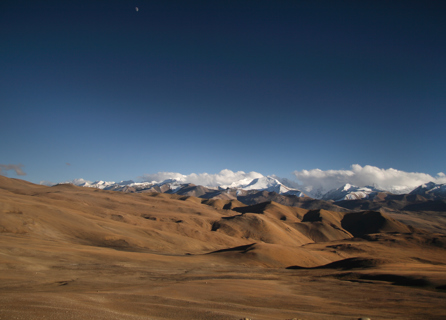
If the weather allows, it’s worth waking up a little earlier to enjoy the view of Everest’s snow-covered summit as it catches the first light of the day.
We then continue west, crossing the vast highlands of Digur Tang. Along the way, we pass the sacred Pelkhu-tso Lake, whose waters reflect Shishapangma (8,027 m), before reaching Saga or Zhongba, where we spend the night.
Overnight at Vienna 3 Best Hotel (Saga Branch) 3* or similar.
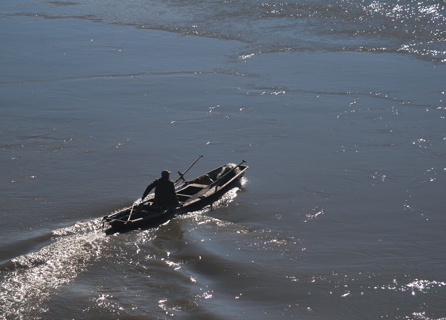
We continue our journey west, travelling through striking landscapes and wetlands until we reach Payang, one of the highest towns in the world, at an altitude of 4,600 metres.
We then pass the sacred Lake Manasarovar (4,588 m), with Mount Kailash reflected in its waters. As we continue our journey and draw closer, the sacred mountain gradually comes into view, marking the beginning of one of the most special parts of our route.
In the afternoon, we arrive in Darchen, the starting point of the sacred Kora around Mount Kailash.
Overnight at Yihao · Eco Smart Hotel (8,6).
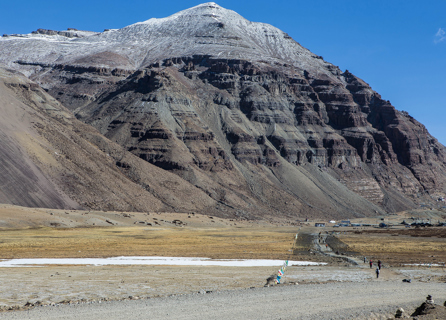
We begin our trek along the sacred pilgrims’ trail, following a clockwise route along the Lha Chu River. Along the way, we pass blue mani stones carved with sacred mantras, while pilgrims follow the same path beside us, performing prostrations along the trail.
As we make our way deeper into the valley, we reach Dira Puk Monastery, located directly opposite the north face of Mount Kailash.
Overnight at a guesthouse near the monastery.
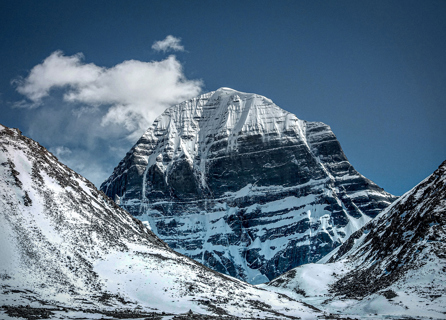
We set off at 04:00 for a challenging day, heading towards the Drolma La mountain pass. According to Buddhist tradition, the ascent is considered a test of both body and spirit. Weather conditions at the pass can be unpredictable, so being properly prepared is essential.
Reaching Drolma La, we find the landscape filled with colourful prayer flags before beginning our descent towards the Lhachu Valley. The trail then leads us to Zutul-Puk Monastery, known as the “Miraculous Cave of Milarepa.” The monastery belongs to the Sakya sect and is home to ancient books and traditions associated with the legendary yogi Milarepa.
Overnight at a guesthouse near the monastery.
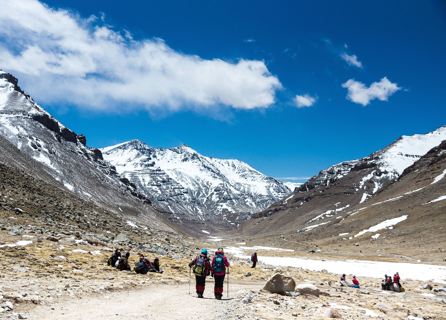
The final day of the Kora is a gentler one, with an easy trail that is mostly downhill. Along the way, we pass countless mani stones and carved rocks, reminders of the centuries-old tradition associated with this sacred route.
At the end of the trail, we return to Darchen and from there begin our journey back towards Saga.
Overnight at Vienna 3 Best Hotel (Saga Branch) 3* or similar.
We continue our journey back by road, heading towards Shigatse. After a few days of more basic accommodation, arriving in the city gives us the chance to enjoy a few more comforts, a hot shower and some well-earned rest.
Overnight at Qomo Langzong Hotel 4*.
We leave in the morning heading to Lhasa's Gonggar Airport, from where we fly to Chengdu and then to Beijing.
The flight departs at 3:50 PM and arrives in Beijing at 10:40 PM.
We stay at Beijing airport until our return flight to Greece.
Our journey back to Greece begins with Air China's flight CA863 to Athens, departing at 02:30 and arriving in Athens at 08:55, bringing our journey through Tibet to a close!
19 June-3 July 2027
📢 Early Bird Offer
Valid for bookings until December 31.
After the Early Bird period ends, the following participation fee applies:
Single room supplement: €570
Note 1: Prices were calculated with an exchange rate of €1 = $1.15. Changing this rate may affect the sale price.
Note 2: The above prices apply to this specific trip, the dates, and the services described. However, the trip can be customized with any requested changes and for ready groups of 4 to 15 people, with any desired changes to services, hotel upgrades, transportation, full board, etc., or vice versa. We are at your disposal if you contact us.
To reserve your spot, please read the Booking Terms & Conditions first. If you agree to the terms, you can proceed with the Online Booking by clicking the “BOOK NOW” button on our website and paying the €500 deposit by card or through the IRIS app.
An additional payment of €1,000 must be made by 5 April, while the remaining balance must be paid in full by 19 May.
The second payment and the final balance should be made by bank transfer to the following ALPHA BANK account:
IBAN: GR1001407960796002002013550
Account holder: OUTDOORS TRAINING IKE.
Alternatively, payments can be made via IRIS using the company’s Tax Identification Number: 800697728.
When making a bank transfer or deposit, please include your full name and the trip name “TIBET” in the payment reference.
In case of cancellation, the following cancellation fees apply:
To take part in the trip, you must have a passport in excellent condition, valid for at least six months from the date the Tibet entry permit is issued, with at least two completely blank pages for entry and exit stamps.
A visa is not required for entry into China. However, several permits are required for Tibet, Everest Base Camp, the Mount Kailash Kora and Western Tibet (Tibet Travel Permit, Military Permit, etc.). Our office will take care of obtaining all the necessary permits on your behalf.
Accommodation is provided in a 4-star hotel in Lhasa, and in some of the best available hotels in the other towns along our route, in twin rooms with private bathroom and breakfast. At Everest Base Camp, we stay at a tented camp in large, traditional-style tents, similar in size to a room and equipped with beds and bedding, so a sleeping bag is not required. The tents, however, do not have private bathrooms. During the 3-day trek around Mount Kailash (2 nights), accommodation is in basic guesthouses with shared dormitories, where we will all sleep together (earplugs may come in handy), and shared toilet facilities.
Meals are not included in the price, with the exception of breakfast at the standard hotels. We will eat at local restaurants in the areas we visit, giving us the opportunity to experience the local cuisine. Our local guide will be on hand to help us navigate the menus and choose what to order. During the Kora, meals will be available at local restaurants with limited options. We recommend bringing some energy snacks that are lightweight and compact.
Local transfers are by 17- or 29-seat tourist coach, depending on the size of the group. All flights are included in the price, with a baggage allowance of 23 kg for checked luggage, 5 kg for hand luggage, and one small personal item.
Our tour leader or local guide may modify the itinerary if required by weather conditions or other local circumstances (natural disasters, etc.), with the smooth running of the trip and the safety of all participants as the main priorities. Any additional costs resulting from such changes will be covered by the participants.
Before travelling, please visit the official website of the Travel Medicine Department of EODY or consult your personal doctor, as additional advice may be required depending on your medical history.
See the latest guidelines here: China - ΕΟΔΥ
The trip includes trekking at high altitude, which requires a good level of physical fitness. Please note that travelling and hiking at high altitude may cause weakness, headaches and even vomiting due to the lower oxygen levels in the air.
If your current fitness level needs improvement, you should follow an aerobic training programme for 3–4 months before departure, including hikes and ascents lasting more than 3 hours at least once a week. These training hikes are also a good opportunity to test and break in your new hiking boots. Good physical fitness is extremely important, not only to complete the trek comfortably, but also to maintain a positive mindset should you encounter any unexpected challenges along the way.
There are no particular safety concerns at the destination beyond those associated with the high altitude. We recommend that each participant carries a personal first-aid kit, along with any medication required for existing or potential health issues, always in consultation with their personal doctor.
The cost of the trip includes Chinese travel insurance, provided by our local partner, which covers accidents or injuries at all altitudes reached during the trip. However, if you would like additional insurance coverage, we recommend looking into the search and rescue insurance offered by Global + Rescue, which provides plans covering incidents at altitudes of up to 7,500 metres, as well as medical evacuation, telemedicine services and other benefits.
The local currency is the Chinese yuan (RMB), with an indicative November 2026 exchange rate of €1 = RMB 7.71
Please note that international Visa and Mastercard cards are not widely accepted for everyday transactions in Tibet, such as at restaurants, small hotels, taxis and shops. China, and by extension Tibet, relies heavily on mobile payments using QR codes. For international travellers, Alipay and WeChat Pay are now among the most practical ways to pay for everyday purchases.
Relying solely on your physical Visa or Mastercard at POS terminals may cause difficulties, particularly once you travel outside Lhasa. International cards are mainly accepted at larger hotels, major stores and some restaurants catering to international visitors.
For everyday purchases in Tibet, the easiest option is to install one of China’s two main mobile payment apps: Alipay or WeChat Pay.
Note: Do not rely on Apple Pay or Google Pay as your primary payment method in shops. QR-code payments through Alipay and WeChat Pay are much more widely used.
Despite the widespread use of mobile payments, carrying some cash in Chinese yuan (RMB) is still useful as a backup, particularly for international travellers. In remote areas, such as Everest Base Camp or during the Kailash trek, where internet connectivity may be limited, it is important to carry some cash. At temples and monasteries, cash can also be useful for small offerings or purchasing religious items, preferably in smaller denominations of 1, 5, 10 or 20 yuan. You can also use your Visa or Mastercard to withdraw Chinese yuan from ATMs operated by major Chinese banks, such as the Bank of China or ICBC, in Lhasa and Shigatse. It is advisable to withdraw any cash you may need before travelling into more remote areas.
In summary, the most practical approach is to have Alipay and/or WeChat Pay set up and ready to use, while also carrying some RMB in cash as a backup.
During the period of our trip, the climate in Tibet varies considerably from one region to another. In the Lhasa Valley, the weather is warm and humid, with pleasant daytime temperatures above 20°C and around 10°C at night. Lhasa receives a fair amount of rain during the summer, turning the valley lush and green, although rainfall usually occurs in the late afternoon or at night.
At Everest Base Camp, daytime temperatures usually rise above 15°C, while at night they drop close to freezing. However, monsoon weather arriving from the southern side of the Himalayas often brings cloud cover over the peaks during the day. To enjoy clear views of Everest, an early start around dawn is usually best, as the skies tend to be clearer at that time.
Western Tibet, where Mount Kailash is located, is only minimally affected by the monsoon, and the weather generally remains dry and ideal for trekking. Along the Kora, daytime temperatures will be around 15°C, dropping to around or slightly below freezing at night. At Drolma La, the highest pass of the route at an altitude of 5,650 metres, the snow and ice will have already cleared, allowing us to cross in regular hiking boots without the need for crampons or winter clothing. We should, however, keep in mind that high altitude can bring unexpected changes in weather, while strong winds are also very likely, particularly on the high mountain passes.
Tipping is optional and is often overlooked, even by travellers who are very satisfied with the service. However, a meaningful tip is a great way to show appreciation to a dedicated guide who has made every effort to provide the best possible experience for the group. It also helps them feel valued for their work and maintain their enthusiasm and energy throughout the trip.
In Tibet, although tipping is not compulsory, it is generally expected by guides and drivers. Tipping is not necessary at restaurants.
For communication during the trip, you can purchase a local SIM card at the airport upon arrival or arrange an eSIM before leaving Greece. An eSIM from an international provider such as Airalo, Nomad or Holafly gives you immediate internet access as soon as you land, without having to go through the passport registration process required for a local SIM.
If your device does not support eSIM, you can purchase a local physical SIM card. China Mobile is a recommended local provider, with a 15-day tourist package offering 15 GB of data for approximately RMB 100 (€13).
Please note, however, that a Chinese physical SIM card is fully subject to China’s Great Firewall restrictions, which block access to apps and services such as Google, WhatsApp, Viber, Instagram and Facebook, unless you have installed a VPN app on your phone before travelling. By contrast, an international travel eSIM routes your data outside mainland China, allowing these apps and services to work normally.
The electricity supply at the hotels is 220–240 V / 60 Hz, and the power sockets are Type I, (an adapter is required).
During the trek along the Kailash Kora, the guesthouses have solar panels for electricity. However, charging facilities are limited, as power sockets are only available in the main communal area, while many other guests also need to use them and the stored power can run out relatively quickly. If you find an available socket, expect to pay around €1–2 for charging. During these three days, it is therefore advisable to carry enough backup power with you in the form of power banks. It is also a good idea to keep your power banks and mobile phones in a warm place (possibly inside your sleeping bag at night) and to keep your phone in flight mode to conserve battery power.
Recommended Personal First-Aid Kit
Price from €4710
RESERVE NOWThe following requirements are recommended, although they are not mandatory:
Technical mountaineering skills are not required for the trek around the sacred Mount Kailash. However, you need to know how to manage any possible conditions that may arise during a demanding high-altitude trek, such as managing the body’s reactions to altitude and low oxygen levels, possible unexpected changes in the weather, the use of equipment, and, of course, you should be in excellent physical condition. If you are not in good physical condition, you should follow a fitness improvement program with aerobic exercises such as swimming, cycling, hiking, and especially ascents with elevation gains of 500 to 1,000 meters.
In any case, during the three-day trek, we will have one porter available for each participant, who will be able to carry 5–7 kg.
Yes, it is possible to arrange an additional sightseeing program in Western Tibet by car, with accommodation in hotels. However, this program is not included in the cost of the trip, and its cost will depend on the number of other interested participants who choose to join it. Ask us for more information.
We recommend leaving your main luggage at the hotel before we start the trek. We should take with us only the absolute essentials, and for their transportation we will use porters, who undertake to carry a relatively small weight of 5 to 7 kg.
The trip is designed for 10 to 18 participants. If this number is not reached, you will be offered the option of operating the trip with a smaller number of participants and a possible price increase. Those who do not agree to the increased charge may cancel and receive a refund of any money they have paid, without any further claim.
Yes, this can be done, provided that the number of participants departing from Greece does not fall below 10. Contact us in good time, informing us of your specific interest and asking for more information.
A receipt is issued to each participant after the completion of the trip. If you wish to have an invoice issued, you should inform our office in good time, before the departure of the trip, while also sending the tax details required for issuing the invoice.